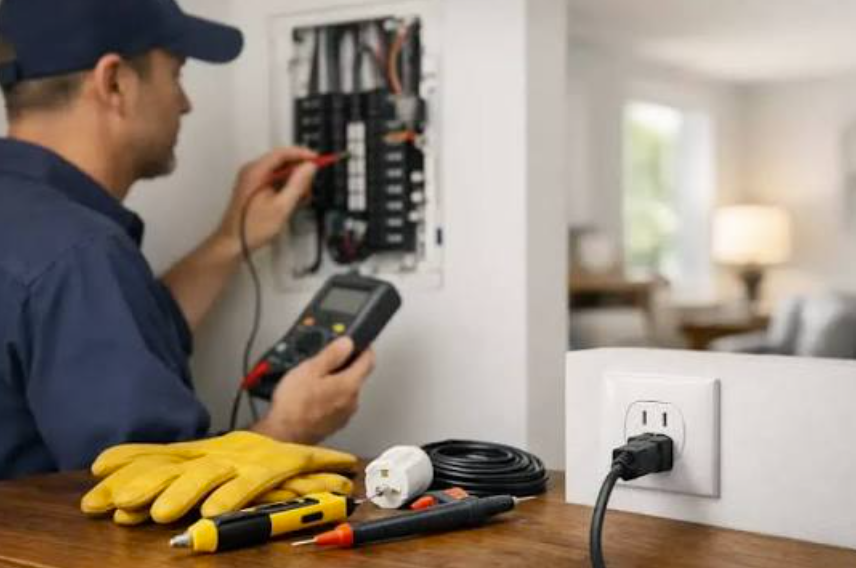
Preventive maintenance helps preserve the reliability of many household systems, including electrical distribution equipment.
Although electrical panels generally require less routine attention than mechanical appliances, they should not be ignored. Environmental exposure, installation issues, aging components, and changes in electrical demand can influence their condition.
Understanding the purpose of electrical inspections enables homeowners to make better decisions about property maintenance and safety.
Why Electrical Panel Inspections Are Important
An electrical panel distributes power throughout a building and contains protective devices designed to respond to electrical faults.
Problems within this equipment can sometimes develop without obvious symptoms.
Loose connections, corrosion, damaged insulation, or inappropriate breaker installations may remain hidden until an electrical failure occurs.
Professional inspections help identify visible deficiencies and determine whether further testing or corrective work is necessary.
What Happens During a Professional Inspection?
Inspection procedures depend on the property, equipment, and concerns being investigated.
A qualified electrician may evaluate both the distribution enclosure and relevant portions of the connected electrical system.
Checking Equipment Condition
The electrician may examine the enclosure for physical damage, corrosion, moisture intrusion, missing covers, or other deterioration.
Appropriate clearances and accessibility are also important.
Reviewing Circuit Breakers
Installed breakers are assessed for compatibility, ratings, physical condition, and indications of previous overheating.
A breaker should be suitable for the specific panel model and circuit design.
Evaluating Connections
Where access and safe procedures permit, a professional may inspect conductor terminations and other connections.
Connection assessment must follow the equipment manufacturer’s requirements and safe working practices.
Assessing Circuit Identification
Accurate circuit labeling helps occupants and maintenance personnel identify which equipment or rooms are supplied by particular breakers.
Incorrect labels can create unnecessary confusion during emergencies or planned maintenance.
How Often Should Electrical Panels Be Inspected?
There is no single inspection interval appropriate for every residential property.
Inspection needs depend on factors such as installation age, environmental exposure, equipment history, local requirements, and previous electrical problems.
Older buildings or properties with known deficiencies may require more frequent evaluation.
A licensed electrician can recommend a suitable schedule based on the installation.
Signs That an Inspection Should Not Be Delayed
Certain symptoms deserve attention even when no scheduled inspection is approaching.
Breakers That Trip Repeatedly
Frequent breaker operation may indicate excessive load or an electrical fault.
The underlying condition should be identified rather than repeatedly resetting the device.
Discoloration Around Equipment
Brown marks, melting, or other signs of heat damage may indicate a serious problem.
Electrical equipment showing these symptoms should be evaluated promptly.
Unusual Odors or Sounds
Burning smells, buzzing, or crackling may suggest defective electrical connections or equipment.
Visible smoke or arcing requires immediate safety precautions and emergency assistance when appropriate.
Evidence of Water Damage
Moisture inside or around electrical enclosures can compromise insulation and protective devices.
Flooded electrical equipment should not be reenergized without professional assessment.
Maintenance Activities Homeowners Can Perform Safely
Homeowners can carry out certain basic observations without opening electrical enclosures.
Keeping the panel area unobstructed is one example.
They can also review circuit labels, observe external signs of damage, and report unusual electrical behavior.
However, removing panel covers, testing energized components, and modifying internal wiring should be left to qualified personnel.
When Maintenance Is Not Enough
Maintenance can address certain deficiencies, but severely damaged or unsuitable equipment may require more extensive corrective work.
For example, a panel with significant corrosion, incompatible components, or insufficient capacity may not be suitable for continued use without modification.
Depending on professional findings, an electrical panel upgrade may be evaluated alongside repair, equipment replacement, or circuit reconfiguration.
The appropriate remedy depends on the actual condition of the installation and the applicable electrical standards.
Documentation and Maintenance Records
Maintaining records of electrical inspections and completed repairs is useful for long-term property management.
Documentation can help future electricians understand earlier changes and identify recurring problems.
Records may include inspection findings, breaker replacements, circuit additions, permit information, and test results.
Clear documentation is particularly valuable when selling a property or undertaking major renovations.
Conclusion
Electrical panel inspection and preventive maintenance support the safe operation of residential electrical systems.
Professional evaluations can identify equipment deterioration, circuit protection problems, and installation deficiencies before they become more serious.
By combining routine observation with qualified electrical service, homeowners can better protect their properties and maintain dependable electrical distribution.