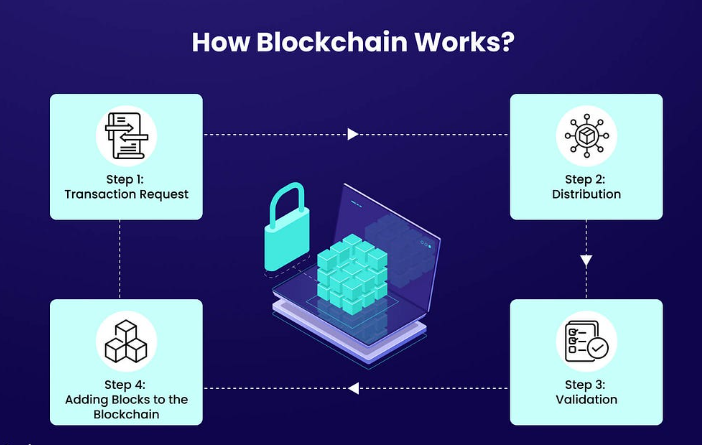
Blockchain technology functions as a decentralized ledger system. It comprises blocks that securely store transactions through cryptographic links. This structure ensures data integrity, as modifications require consensus from network participants. The verification of transactions occurs via nodes, maintaining accuracy and transparency. Understanding these fundamental elements reveals the profound implications of blockchain. What remains to be explored are the diverse applications and potential transformations across various industries.
Understanding the Structure of Blockchain
The architecture of blockchain technology is fundamentally structured around a decentralized ledger system.
Each block comprises a series of transactions, cryptographically linked to ensure data integrity. This block structure enables transparency and security, as altering any single block would invalidate the subsequent ones.
Consequently, the decentralized nature of the network fosters trust among participants, empowering individuals and promoting freedom from centralized control.
The Process of Transaction Verification
Transaction verification in blockchain technology involves a systematic process designed to uphold the integrity and accuracy of the decentralized ledger.
This process includes transaction validation, where nodes evaluate proposed transactions against established criteria.
Following validation, a consensus mechanism is employed, enabling participants to agree on the validity of transactions.
Ultimately, this ensures transparency and security within the blockchain ecosystem, fostering trust among users.
Key Components of Blockchain Technology
Blockchain technology comprises several key components that work synergistically to create a secure, transparent, and decentralized system.
Central to this architecture are decentralized ledgers, which ensure data integrity through distributed consensus.
Additionally, smart contracts automate transactions and enforce agreements without intermediaries, enhancing operational efficiency.
Together, these elements empower users, fostering trust and enabling innovative applications across various sectors.
See also: How Big Data Is Changing Decision-Making
Applications of Blockchain Across Industries
As industries increasingly seek innovative solutions to enhance efficiency and transparency, the applications of blockchain technology have emerged as a transformative force across various sectors.
In supply chain management, it ensures traceability; in financial services, it facilitates cross-border payments.
Additionally, blockchain secures healthcare records, streamlines voting systems, protects intellectual property, enhances real estate transactions, and establishes robust digital identity frameworks.
Conclusion
In conclusion, blockchain technology represents a monumental leap in data management and security, transforming industries with its decentralized approach. By ensuring unmatched transparency and integrity through rigorous consensus mechanisms, it empowers users while diminishing the need for central authorities. With applications spanning finance, supply chain, healthcare, and beyond, the potential of blockchain is as boundless as the imagination itself, heralding an era where trust and efficiency reign supreme in digital transactions.